Subfloor Replacement Process
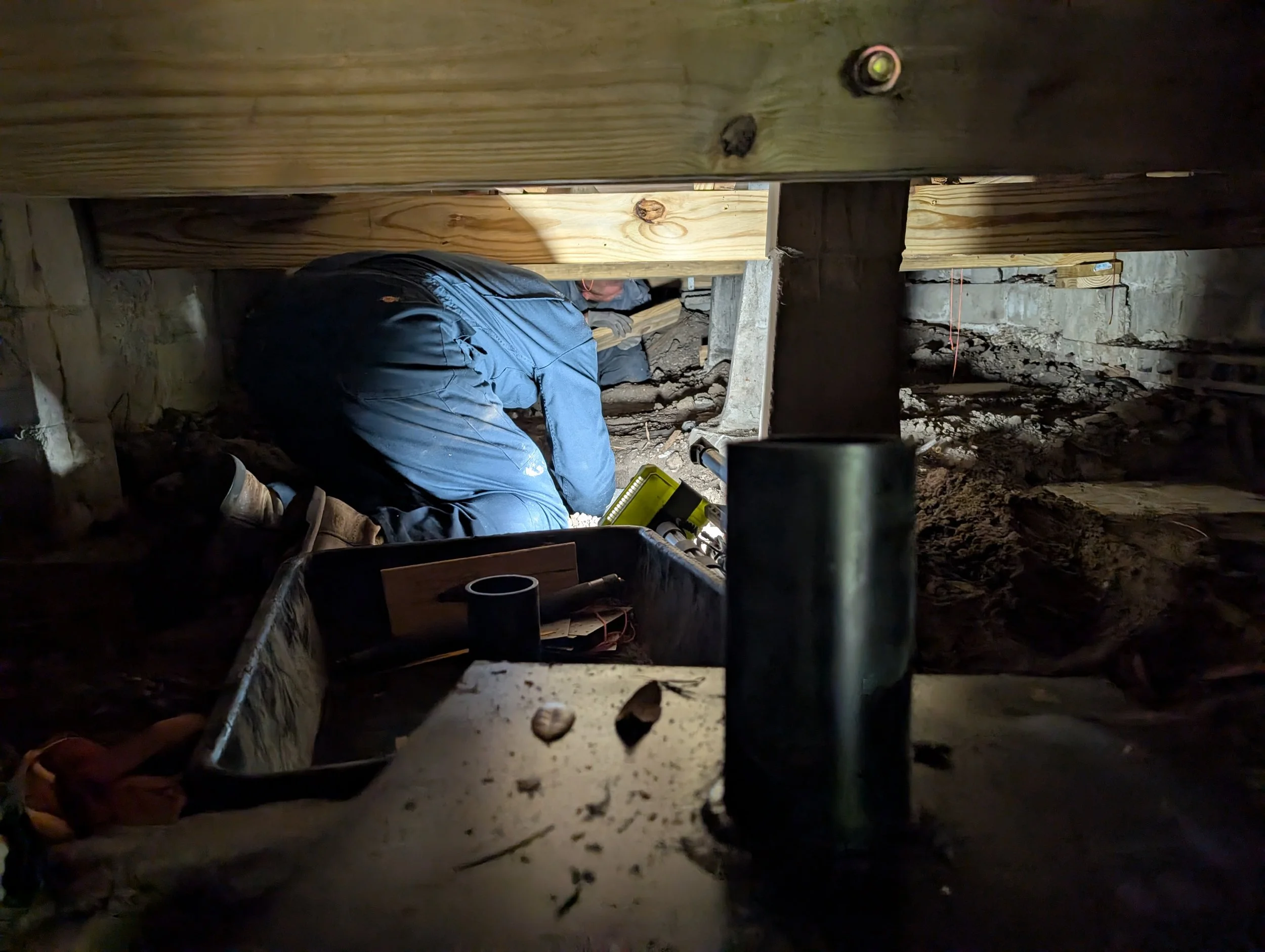
Subfloor Replacement Process Explained
When subfloor damage is too extensive to repair, replacement is the right solution. Understanding the replacement process helps homeowners know what to expect and feel confident that the work is being done correctly.
Step 1: Full Assessment
Before replacing subfloor panels, a contractor inspects the joists and beams beneath. Replacing subfloor over damaged joists leads to recurring problems. All underlying structural issues are identified and addressed first.
Step 2: Finished Flooring Removal
The finished flooring above the damaged area — tile, hardwood, carpet, or vinyl — is carefully removed to expose the subfloor panels beneath.
Step 3: Subfloor Panel Removal
Damaged subfloor panels are cut out and removed. The contractor takes care to preserve as much of the surrounding structure as possible while fully removing all deteriorated material.
Step 4: Joist Inspection and Repair
With the subfloor removed, joists are fully visible and inspected. Any damaged joists are repaired or sistered before new subfloor panels are installed.
Step 5: New Panel Installation
New subfloor panels — typically tongue-and-groove plywood — are cut to fit and secured to the joists with construction adhesive and screws. Proper fastening eliminates squeaking and ensures a firm, stable surface.
Step 6: Finished Flooring Reinstallation
Once the new subfloor is in place, finished flooring is reinstalled. In some cases, new finished flooring may be recommended if the existing material was damaged during removal.
Frequently Asked Questions
How long does subfloor replacement take?
Most subfloor replacement projects are completed in one to three days depending on the size of the affected area.
Do I need to move out during subfloor replacement?
In most cases, no. Work is typically confined to one area of the home and daily life continues with minimal disruption.
What type of subfloor material is best for Florida homes?
Tongue-and-groove plywood is the most common and reliable choice. It resists moisture better than OSB and provides a stable base for finished flooring.
Related Articles
- Signs Your Subfloor Is Damaged
- Why Floors Feel Soft
- How Water Damages Subfloors
- Repair vs Replacement
Schedule Your Free Crawlspace Inspection
Florida Crawlspace Repair | A Division of Laielli Construction
[850-375-4285]
[tyler@laielliconstruction.com]
*Financing available — ask us for details.*